1 1 4 3 way ball valve
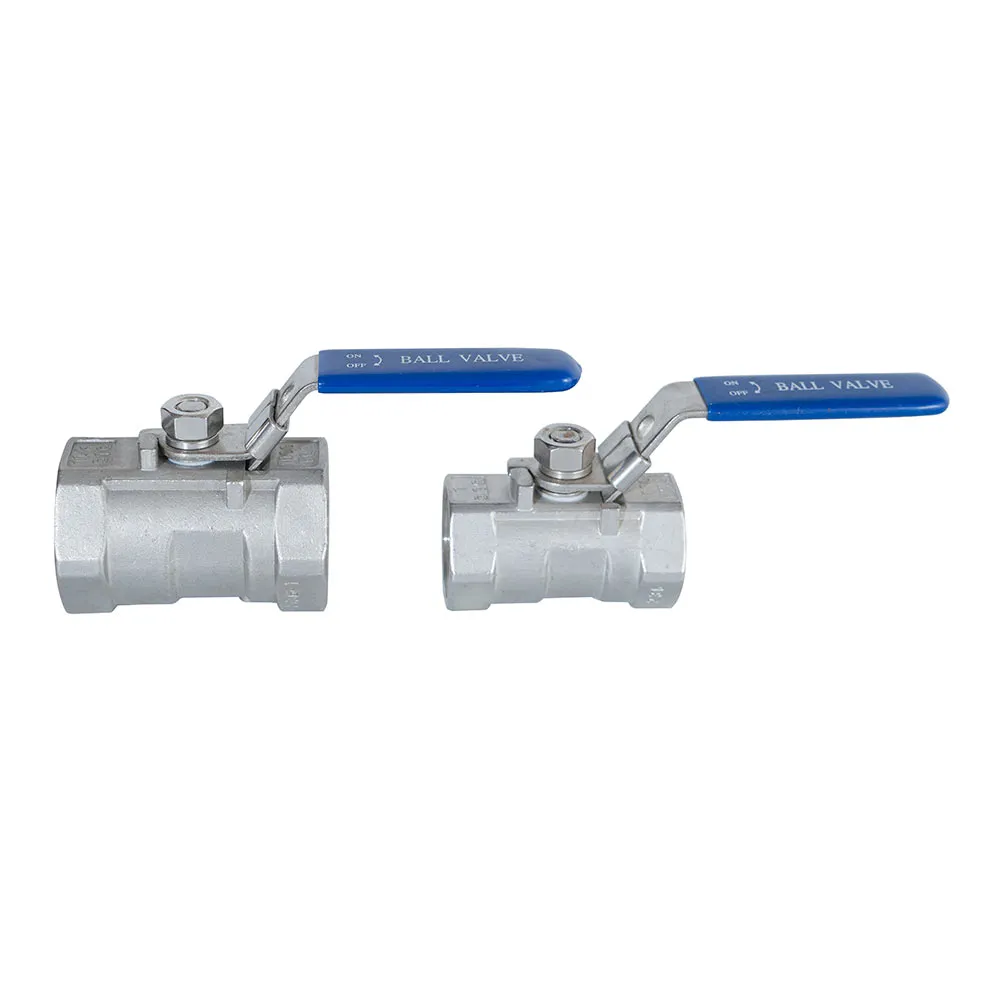
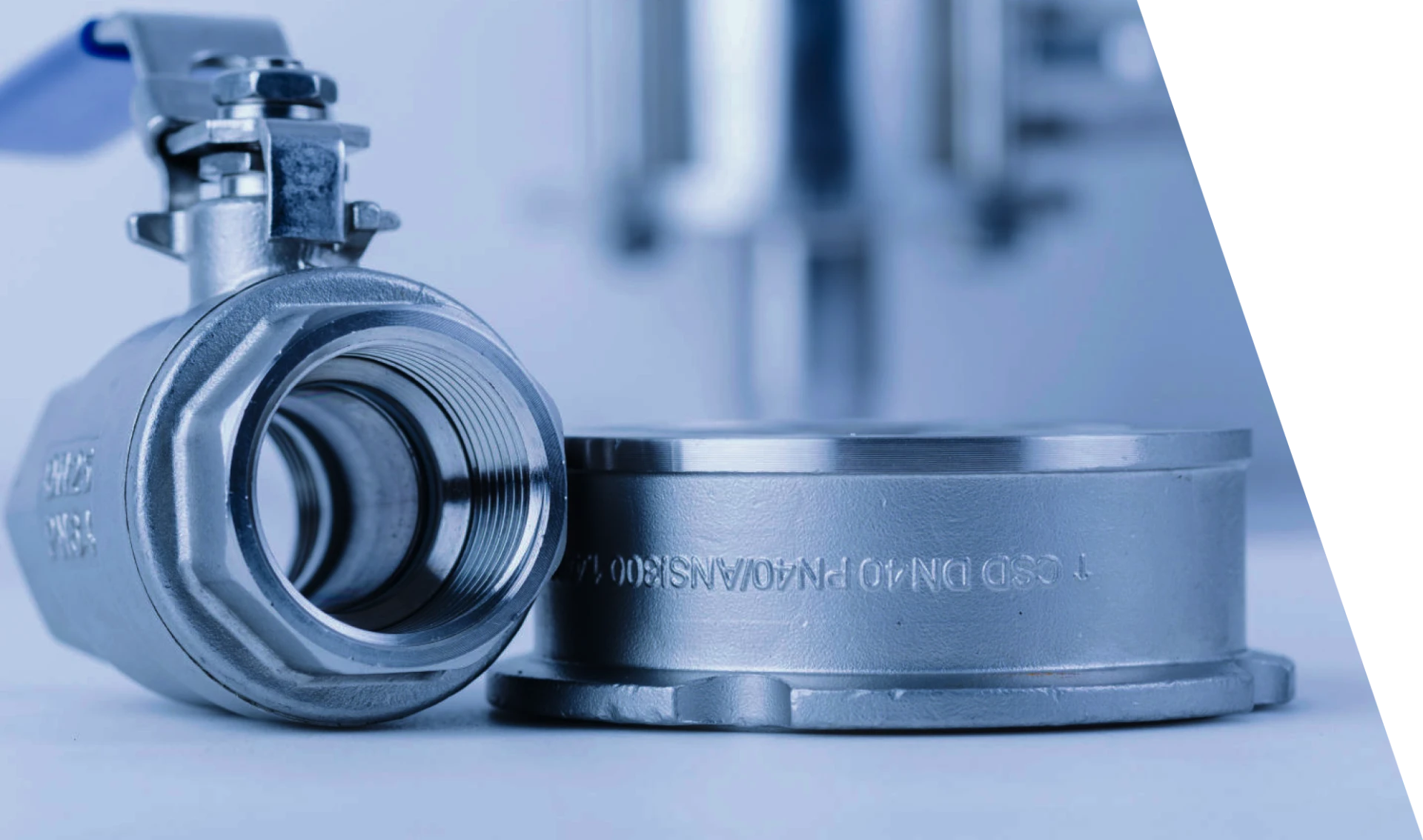
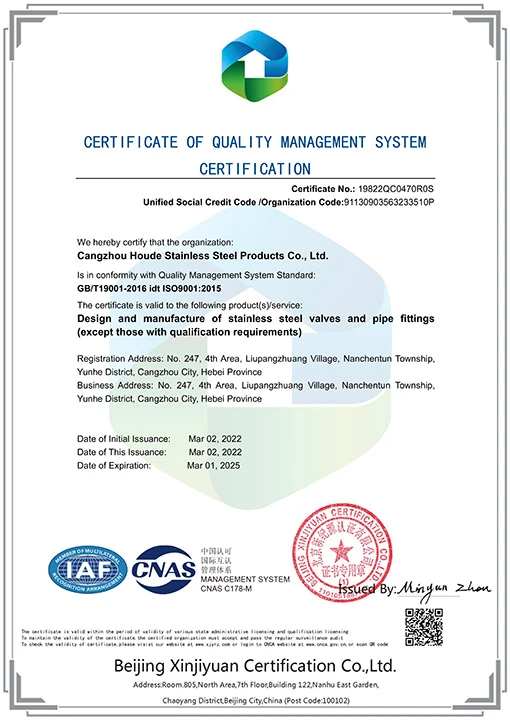
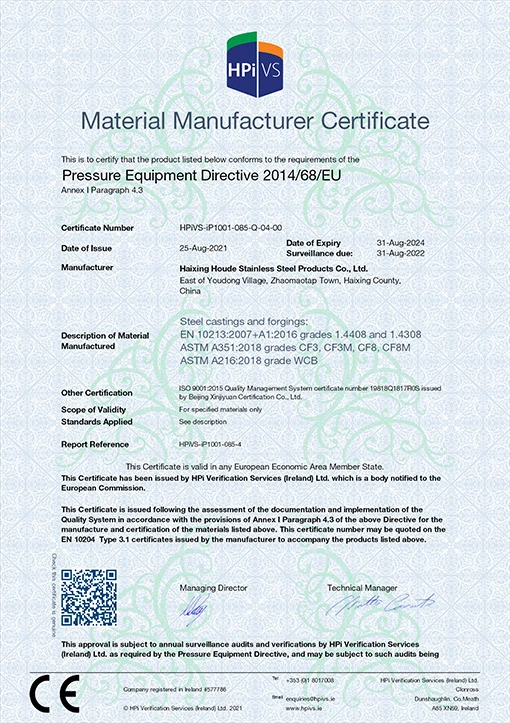
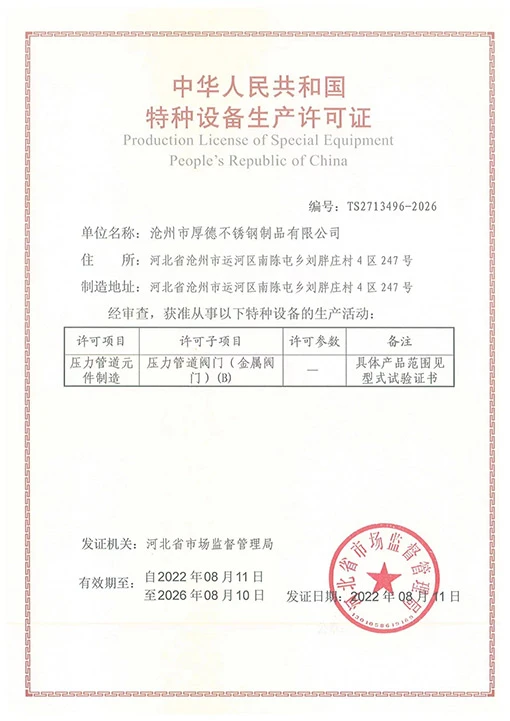
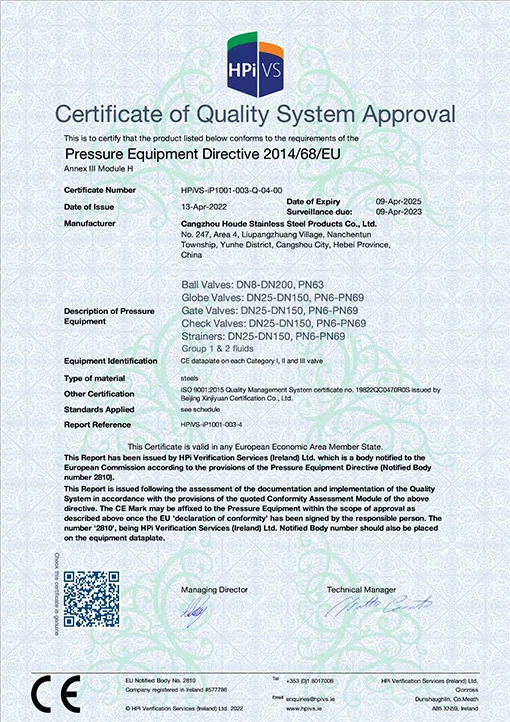
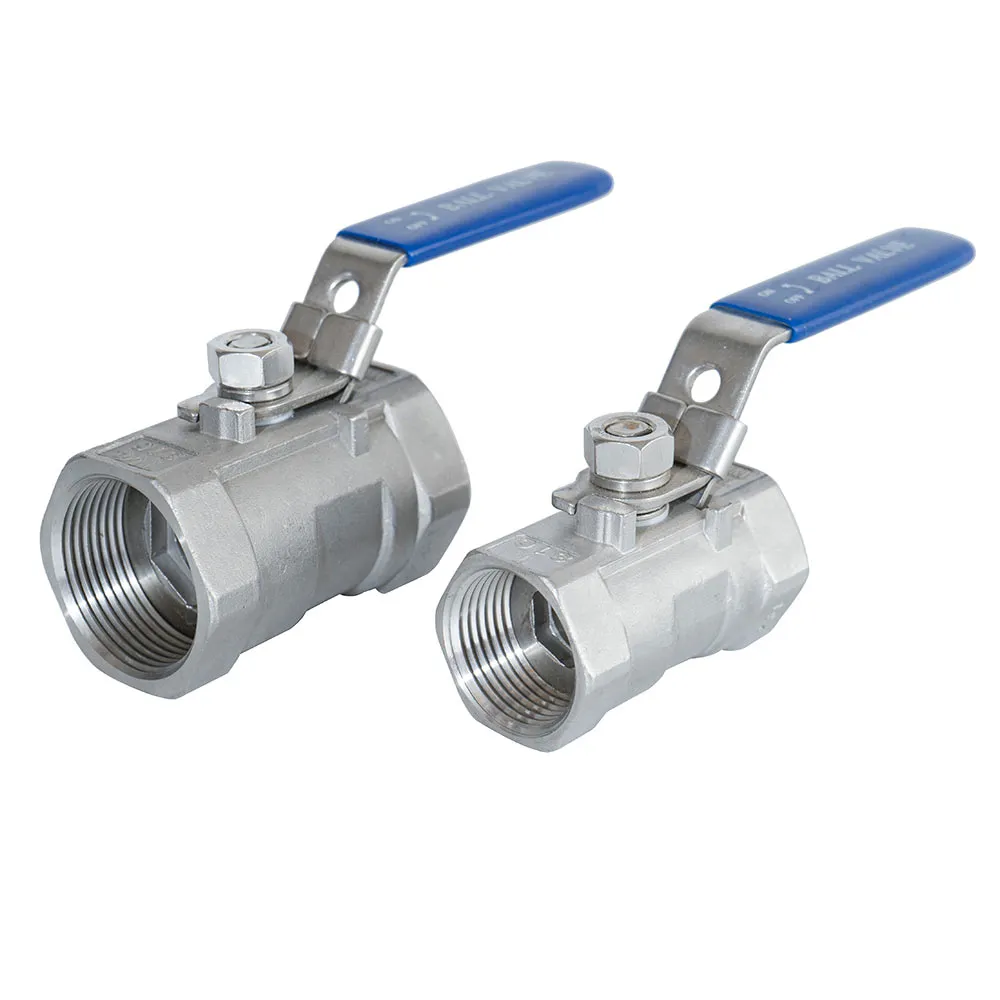
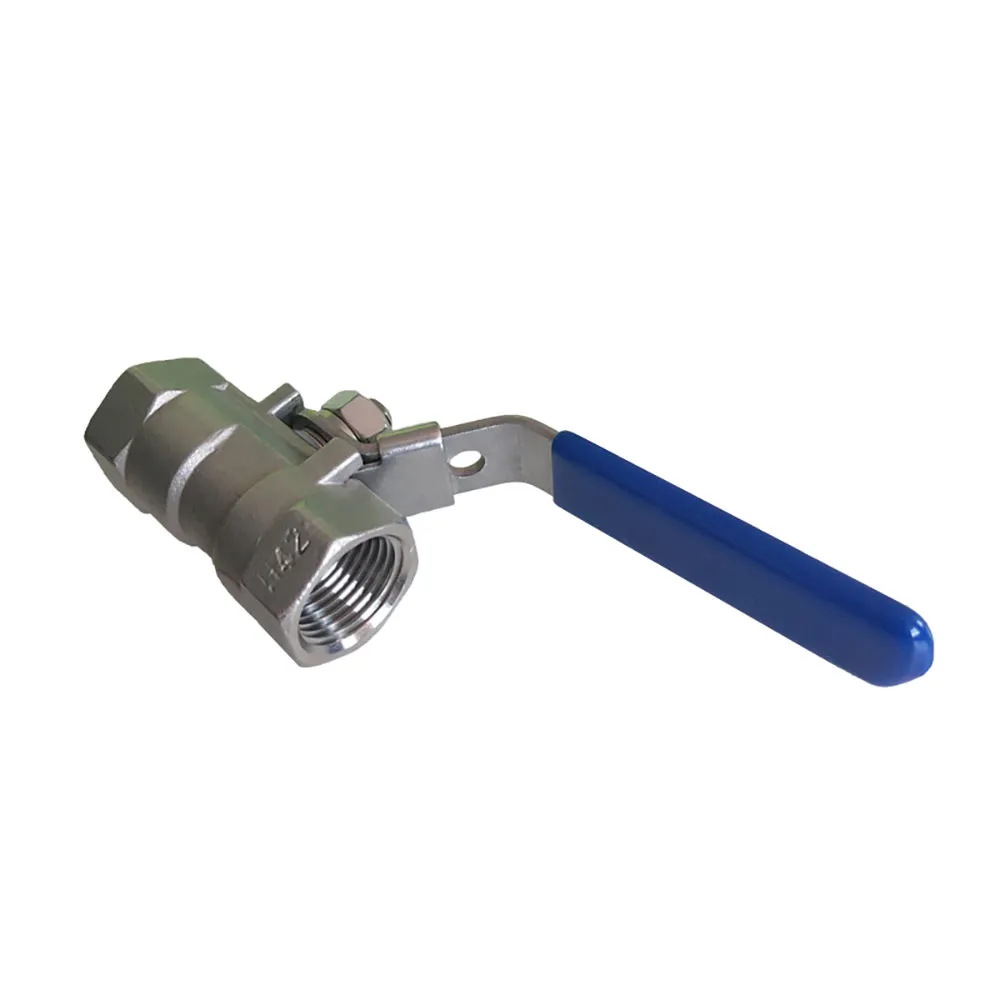
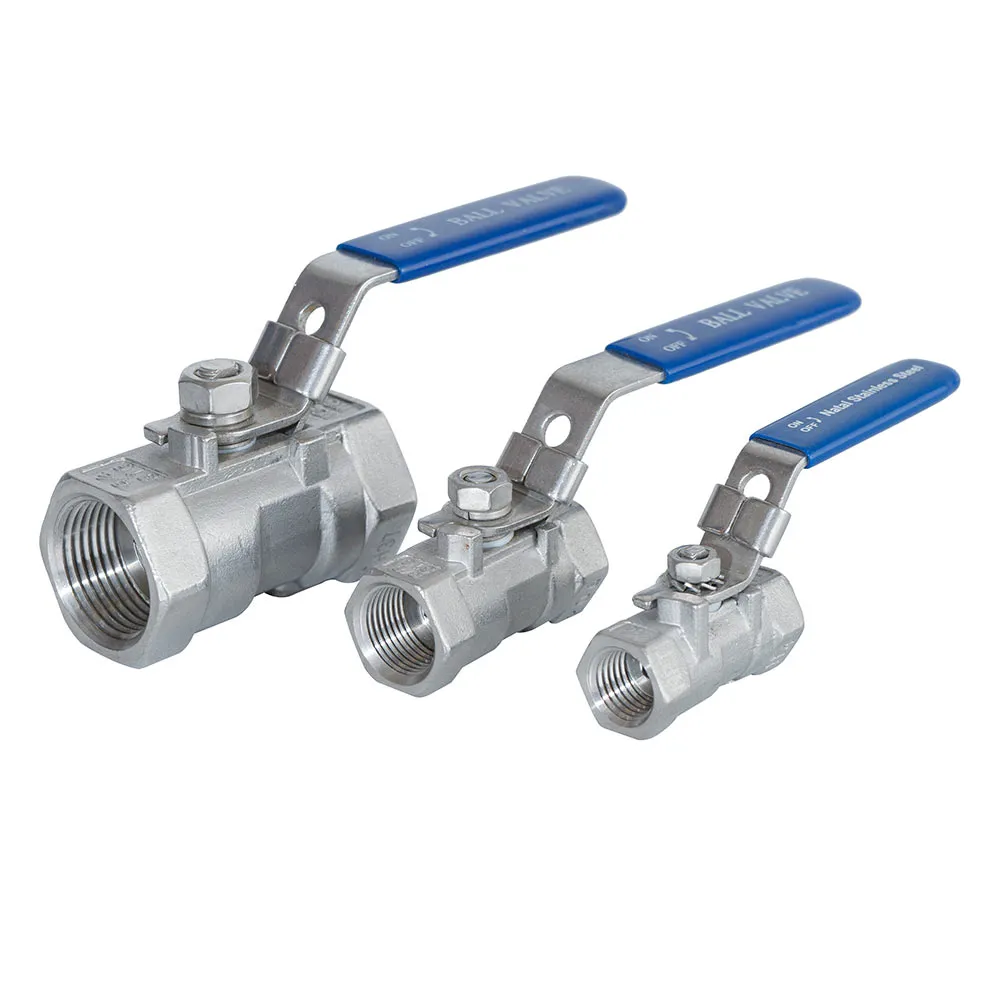
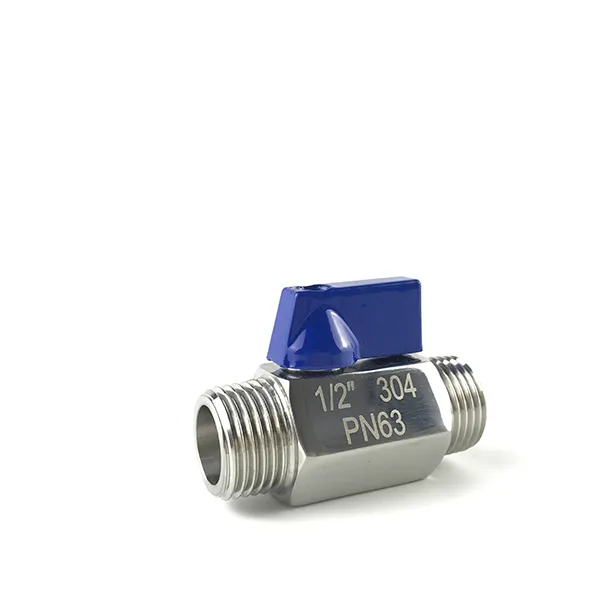
Mini Ball Valve 1/8 ( mini ball valve 1 8 ) is one of the core flow-control components in modern fluid systems. This article delivers a comprehensive exploration of mini ball valve 1 8 and related types such as 1 8 npt mini ball valve , combining industry insights, technical specifications, manufacturing process illustrations, and innovative application cases. 1. Industry Trends: The Rise of Mini Ball Valve 1/8 In the era of modular, compact, and precise industrial design, mini ball valve 1 8 products are gaining traction globally. According to MarketsandMarkets Research , the valve market is projected to grow to USD 94.5 billion by 2028 , with miniaturized valves accounting for an increasing share due to their application in petrochemical, metallurgy, and automation industries. Recent data (2023) show that demand for 1/8’’ NPT mini ball valves increased by 38% YoY in North America and Asia. 2. Understanding Mini Ball Valve 1/8: Key Technical Parameters 2.1 Main Specifications Table Parameter Mini Ball Valve 1/8 1/8 NPT Mini Ball Valve Industry Typical Value Connection Type Female/Female Threaded Female NPT G, NPT, BSPP Size (DN) DN6 (1/8 inch) DN6 (1/8 inch) DN6–DN15 Body Material SS304/SS316 Brass Brass/Nickel-plated Brass Stainless Steel, Brass Pressure Range 0~1000 PSI (6.9 MPa) Up to 1000 PSI 600–3000 PSI Temperature Range -20°C to 180°C -10°C to 160°C -20°C to 200°C Seat Material PTFE PTFE PTFE, NBR Flow Path Full Port Standard Port Full/Reduced Port Standard ISO 9001, ANSI B16.34 ANSI, NPT ISO, ANSI Lifetime (Cycles) >50,000 >30,000 10,000–50,000 All data are based on manufacturer disclosures, ISO/ANSI standards, and 3rd-party test reports. 2.2 Key Technical Ratings Comparison Fig 1: Pressure, Temperature, Lifetime comparative ratings (source: official product page ). 2.3 Material Selection Pie Chart Fig 2: Market material share for mini ball valve 1 8 (2023). 2.4 Product Life Cycle Comparison (in cycles) Fig 3: Life cycle test – 1/8 NPT mini ball valve vs. standard. 3. In-Depth Manufacturing Process of Mini Ball Valve 1/8 3.1 Workflow Illustration Material Selection Forging/Casting CNC Machining Assembly & Sealing Testing 1. Material Selection: Strictly follow ASTM B16/EN 12164 for stainless steel (SS304/316) , brass (CW617N) to ensure corrosion resistance. 2. Forging/Casting: Automated precision forging for brass or investment casting for stainless steel, optimizing durability. 3. CNC Machining: Multi-axis CNC centers guarantee tolerance ≤0.01mm for ball & seat; ANSI B16.34-compliant. 4. Assembly & Sealing: Assembled under cleanroom; PTFE seat and O-ring ensures zero leakage in dynamic operation. 5. Testing: 100% hydrostatic (20 bar) & pneumatic (7 bar) test, ISO 5208 Class A passing rate >99.8%. See detailed process here (includes manufacturing videos). 4. Technical Advantages of Mini Ball Valve 1/8 Compact Design: Enables installation in tight spaces and modular equipment. Excellent Sealing: PTFE seat and dual O-rings offer ISO Class VI zero-leakage performance. Outstanding Corrosion Resistance: All-wetted parts in SS316/Nickel-plated brass sustain harsh media (chlorides, acids). Low Torque, Easy Operation: 90° quarter-turn, lever actuator – ideal for automation panels. Long Cycle Life: Surpass 50,000 ON/OFF cycles in fatigue testing (see data above). Strict Compliance: Manufactured under ISO9001, meeting ANSI/NSF or FDA fluid-contact standards as required. Fun Fact: Compared to standard-sized ball valves, the mini ball valve 1 8 footprint is reduced by up to 78%, offering significant installation cost savings and process safety in skids & OEM integrations. 5. Manufacturer Comparison: Mini Ball Valve 1/8 5.1 Leading Global Manufacturers Comparison Table Manufacturer Product Model Materials Pressure Rating Certifications Warranty HOUDE Valve HD-MBV-1/8 SS316, Brass 1000 PSI ISO 9001 ANSI B16.34 18 months Swagelok BW Series 1/8 NPT SS316 1000 PSI ISO 9001 RoHS 12 months Parker Hannifin MBV-NPTF-1/8 Brass, SS316 600 PSI CE 12 months GEMÜ Type 723 1/8” Brass 500 PSI ISO 9001 24 months *Data sourced from Official Manufacturer Brochures (2024). For mini ball valve 1 8 details, visit product page . 6. Customization Solutions for Mini Ball Valve 1 8 Connection Types: NPT, BSP, G-thread, push-in, or welding end customization Material Choices: Offerings in SS304, SS316, brass, nickel-plated brass, lead-free brass (for potable systems); compliant with NSF 61 Pressure/Temperature Ratings: Up to 3000 PSI/200°C available upon request Lever & Handle: Color customization, locking device option for safety OEM Services: Laser engraving, anti-tampering seal, and logo branding available Testing: 100% hydrostatic and helicoidal leakage tested per ISO 5208 Special projects? Request a custom solution 7. Typical Application Scenarios Petrochemical Instrumentation : Precise shutoff for sample lines, pressure gauges, analyzer connections Water Treatment Systems : Valve isolation in RO skids, UV sterilizer supply lines HVAC Controls : Used in chiller bypass, temperature control panels Compressed Air & Pneumatics : Fast-acting on/off in air manifolds, test setups Medical & Laboratory Equipment : Flow isolation in analyzers, gas chromatography, dental units Food and Beverage Equipment : Clean-in-place (CIP) line valves, compliant with FDA & 3A Hydraulic & Lubrication Circuits : Pilot control in hydraulic machinery, preventing leakage and contamination Case Study: Mini Ball Valve 1 8 in Petrochemical Analyzer Skids Background: A leading petrochemical refinery in the Middle East required compact, maintenance-free shutoff valves for analyzer sampling systems operating at 800 PSI and exposed to aggressive H 2 S/Cl 2 media. Solution: HOUDE's mini ball valve 1 8 in SS316/graphite seat solution passed 60,000 cycles at 180°C in accelerated testing, exceeding ISO 5208 leakage Class A. Installation space decreased by 70%, reducing total analyzer skid cost by >$2,100. Repeat orders followed for process and tank farm upgrades. Client Feedback: “Stable sealing, zero visible leakage after a year’s operation. Ideal for our analyzer skids.” — Lead instrumentation engineer, 2023. 8. Customer Support, Delivery and Warranty Lead Time: Standard: 5–12 working days from order confirmation & drawings; expedited manufacturing available. Warranty: 18 months standard (extendable); all valves carry unique serial for traceability. Certifications Supplied: Material traceability certificates, pressure/leakage test reports, ISO/ANSI/FDA documents upon request. Technical Support: 7/24 support available (multi-language engineering team). Global Delivery: Over 75 countries, using DHL/FedEx/Sea freight with full customs support. 9. FAQs on Mini Ball Valve 1/8 and its Technical Terms Q1. What is the typical material used for mini ball valve 1 8? A: Most commonly, SS304, SS316 stainless steel, and CW617N brass are used for superior corrosion resistance and mechanical strength. Nickel-plated variants enhance service life in harsh environments. Q2. What is 1 8 NPT mini ball valve? Any difference from BSP? A: "1 8 NPT" refers to the 1/8” National Pipe Thread American standard. BSP is a metric thread commonly used in the UK/EU; always specify thread type to avoid leaks or mis-mating. Q3. Which international standards do these valves follow? A: Typically, ISO 9001 for quality, ANSI B16.34 for design/pressure integrity, NSF 61 for potable systems, and ISO 5208 for leakage testing. Q4. What is PTFE seat and why is it important? A: PTFE (Polytetrafluoroethylene) seats offer zero-leakage, low friction, and chemical resistance – key for life span and stable operation. Q5. How to install mini ball valve 1 8 for best results? A: Clean both threads, use compatible sealant (PTFE tape/liquid). Torque match installation to prevent body distortion (see ASME B31.3 piping code). Q6. What’s the recommended maximum working temperature/pressure? A: Standard valves: +180°C, 1000 PSI. Special designs rated up to 200°C and 3000 PSI. Always choose according to application and standards. Q7. What maintenance is needed for mini ball valve 1 8? A: Minimal – periodic actuation and external cleaning. For critical or high-cycle duties, replace PTFE seat after 5 years or 50,000 cycles. 10. Why Choose HOUDE? Over 14 Years in Manufacturing customized mini ball valve 1 8 for global OEMs Strong Portfolio : Products delivered to petrochemical, water, HVAC, lab, medical fields Certified Excellence : Meets ISO, ANSI, FDA, NSF, and customer audit requirements Traceable Quality : Every item with serial number and test report Customer-Oriented : Fast engineering support, on-site or virtual troubleshooting Trusted by industry leaders: Honeywell, Emerson, Veolia, Itron, local engineering firms References & Further Reading: [1] "Valve Market Growth 2024–2028", Markets&Markets, link [2] "Best Practices for Miniature Valve Selection", Valve Magazine, 2023, link [3] End-user reviews from ENG-TIPS Forum on micro ball valves (2023).